
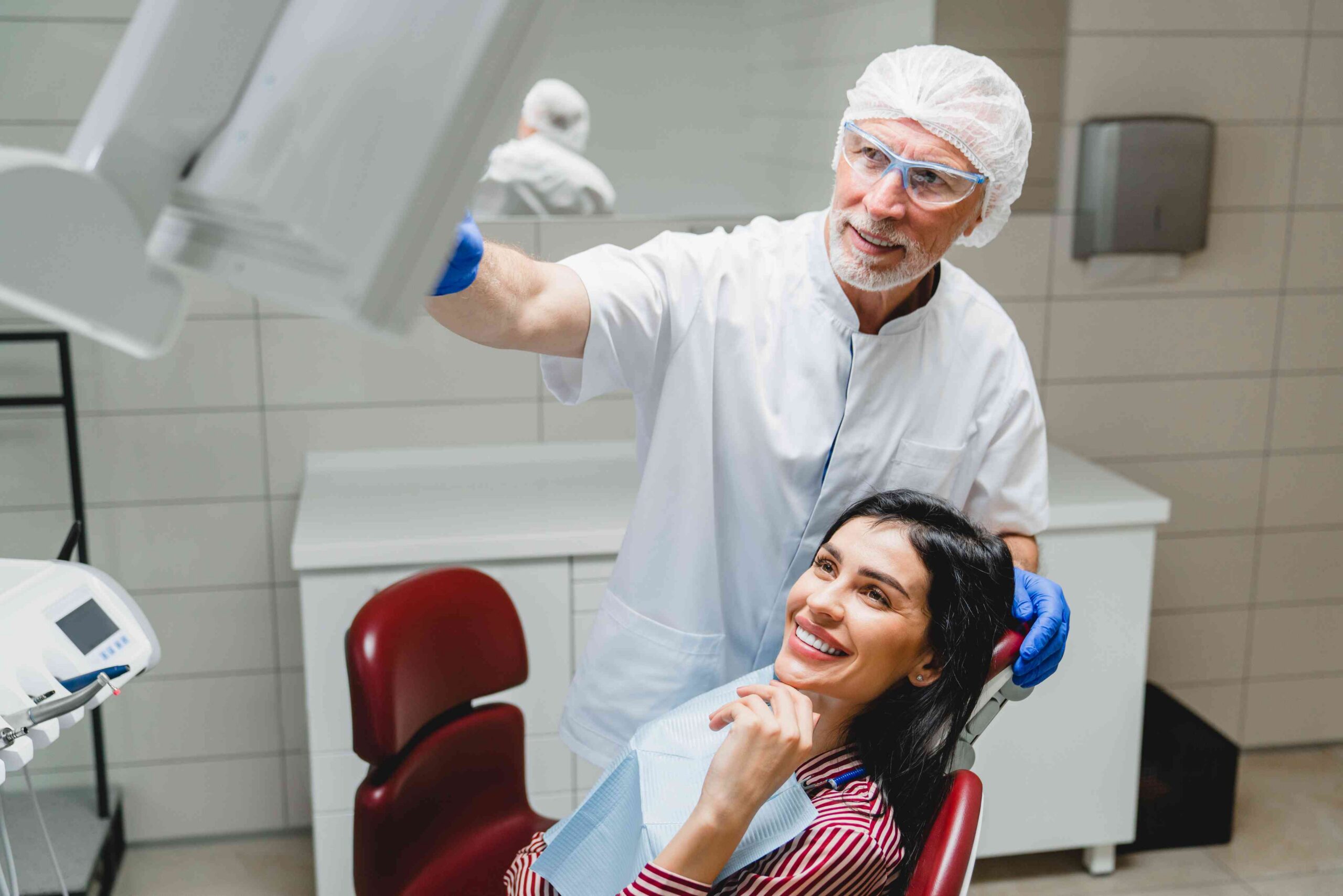
Missing teeth can affect chewing, speech, bite stability, and the way nearby teeth function. For suitable patients, dental implants may replace a single tooth, support a bridge, or help stabilize a larger restoration. Treatment usually involves evaluating the gums, jawbone, remaining teeth, medical history, and bite before creating a personalized plan. Patients in Livonia, Redford, and Westland may need several stages of care, including implant placement, healing, restoration, and ongoing maintenance, depending on their oral health and the number of missing teeth.
Losing one tooth can create a small gap, but its effect may extend beyond appearance. Several missing teeth can make chewing more difficult, alter how pressure is shared across the bite, and leave remaining teeth doing more work. Patients facing extensive tooth loss may have even more questions about stability, maintenance, and what type of replacement fits in everyday life.
At Livonia Family Smiles, patients considering dental implants can begin with an evaluation of the gums, remaining teeth, jawbone, and overall treatment needs. The practice provides implant dentistry in Livonia and uses implant-supported crowns, bridges, or dentures according to the patient’s needs.
For people in Livonia, Redford, and Westland, understanding the differences between replacing one tooth and rebuilding a larger section of the smile can make treatment planning clearer.
What Makes an Implant Different from Other Tooth Replacements
A dental implant replaces the support beneath a missing tooth rather than simply filling the visible gap. The implant fixture is placed in the jawbone, where it can serve as an artificial tooth root. After appropriate healing, a restoration such as a crown, bridge, or denture may be connected to it.
This design is different from a traditional removable denture that rests mainly on the gums or a conventional bridge that may rely on neighboring teeth for support. Patients considering dental implants should understand that the visible tooth is only one part of the process. The supporting bone, surrounding gum tissue, bite forces, and condition of nearby teeth all influence whether implant treatment may be appropriate.
When Several Teeth Are Missing
Multiple missing teeth do not always require one implant for every absent tooth. In selected cases, implants may support a bridge that replaces several teeth while using fewer implant fixtures.
Implant tooth replacement planning should therefore begin with the final goal in mind. The dentist needs to understand where the replacement teeth should sit, how they will meet the opposing teeth, and how the patient will clean around them. Replacing several teeth can also affect speech and chewing patterns. A carefully planned restoration aims to create stable function while giving patients a practical routine for daily cleaning.
What Full-Arch Treatment Means
Full arch dental implants may be considered when implants are used to support a restoration, replacing an entire upper or lower set of teeth. The exact number of implants and the type of final prosthesis vary from patient to patient. This approach differs from a traditional complete denture because implant fixtures provide additional support beneath the restoration.
The amount of stability depends on the treatment design, bone availability, implant positions, and how the final teeth are connected. Patients should not assume that a full-arch solution can be planned from photographs alone. X-rays, clinical examination, medical history, gum health, and bite assessment are all relevant to deciding whether this type of care may be suitable.
Integrated Specialist Leadership in Complex Implant Restorations
At Livonia Family Smiles, complex smile rebuilds rely on a multi-disciplinary approach. Board-Certified Prosthodontist and Implantologist Dr. Karl Winter brings over three decades of restorative, cosmetic, and implant experience to design functional, long-lasting replacement teeth.
Supporting these intricate treatment plans, our dental specialists offer expert prosthodontic evaluation for full-mouth reconstructions and board-certified periodontal care to ensure healthy gum tissue and strong bone foundations for implants. Alongside them, our team of general dentists and board-certified orthodontists manage everything from routine bite dynamics to long-term preventive care. Together, our doctors ensure your implant treatment is planned comprehensively, not only placing the fixture properly in bone, but designing final restorations that function, chew, and look natural.
How an Implant Restoration Completes Treatment
The implant fixture provides support, but the restoration is the part that patients see and use during eating and speaking. Depending on the case, this may be a crown, bridge, or implant-supported denture.
A dental implants restoration is planned after the implant has reached the appropriate stage of healing. The dentist evaluates the implant position, surrounding tissues, bite, and space available for the replacement of teeth. Restoration planning may require more than one appointment. The goal is to create a result that fits the individual’s mouth rather than using the same design for every patient.
Everyday Benefits Patients May Notice
Implant-supported treatment can provide practical benefits when the patient is an appropriate candidate, and the restoration is carefully maintained.
Potential benefits may include:
- More stable support for replacement teeth
- Improved ability to chew in areas affected by tooth loss
- Support for a single crown, bridge, or larger restoration
- Less reliance on removable appliances in selected cases
- Support for maintaining normal spacing between teeth
- A restoration designed around the patient’s bite and daily function
A second use of full arch dental implants may provide an alternative for patients who need to replace an entire arch and want to explore greater support than a conventional removable denture can provide.
What to Expect Before, During, and After Treatment
Before implant treatment, the dentist reviews the patient’s medical history, medications, dental history, gum condition, bone support, and remaining teeth. Diagnostic imaging may be used to understand the jaw structure and implant site. The practice notes that Dr. Winter uses evidence-based planning and digital tools, including 3D imaging, in implant care.
The restorative stage comes later when appropriate. A second dental implants restoration reference is important here because this phase determines how the replacement teeth will look, meet the bite, and function during daily use. After treatment, patients receive instructions for cleaning around the restoration and attending follow-up visits.
Caring for Implant-Supported Teeth Long Term
Implants cannot develop cavities in the same way natural teeth do, but the tissues around them still need careful cleaning. Plaque and inflammation around the gums can affect implant health.
Patients should brush consistently and use the recommended method for cleaning between or beneath implant-supported restorations. Some designs may require floss threaders, interdental brushes, or other cleaning aids. A second Implant tooth replacement consideration is maintenance of the whole mouth. Natural teeth, gums, implant components, and the bite should all be monitored during regular dental visits.
Local Patient Review
“I had been unsure whether replacing several teeth would mean one implant for every space. The different options were explained clearly, and I left understanding why the treatment plan had to consider my bone, bite, and remaining teeth.”
Choosing a Replacement That Fits the Bigger Picture
Tooth replacement should address more than the empty space left by a missing tooth. Bone health, gum condition, bite force, remaining teeth, cleaning needs, and the number of teeth being replaced all influence the plan.
Patients in Livonia, Redford, and Westland considering their dental options should consult Livonia Family Smiles to determine if an implant-supported crown, bridge, or larger restoration is suitable. The optimal choice depends on a thorough evaluation and a tailored treatment plan focused on enduring oral health.
Frequently Asked Questions
Can one implant replace one missing tooth?
Yes, one implant may support a crown for a single missing tooth when the bone, gums, and bite are suitable. A dental evaluation is needed to confirm whether this approach fits the individual site.
Do I need an implant for every missing tooth?
Not always. Several missing teeth may sometimes be replaced with an implant-supported bridge. The number of implants depends on the location, bone support, bite forces, and final restoration.
How long does implant treatment take?
Timing varies because treatment may involve evaluation, implant placement, healing, and restoration. Additional procedures or healing needs can lengthen the process for some patients.
Can implants be used if all my teeth are missing?
Implants may be used to support a full-arch restoration for suitable patients. The dentist must evaluate bone support, gum health, medical factors, and the proposed restorative design first.
Will I be without my teeth while implants heal?
Temporary replacement options may be available depending on the treatment plan. The dentist can explain what can be worn during healing and whether it should be removed at certain times.
Can smokers receive implant treatment?
Smoking can affect oral tissues and healing, so it should be discussed during the consultation. Suitability depends on individual health factors and the dentist’s evaluation.
How do I clean implant-supported teeth?
Daily brushing and cleaning around the implant restoration are important. The exact method depends on whether the implant supports a crown, bridge, or larger prosthesis.
Can patients from Redford or Westland receive implant care in Livonia?
Patients from nearby Redford and Westland can seek evaluation in Livonia if the location and services meet their needs. Treatment suitability is determined through an individual dental assessment.